
Currently Empty: NT$0
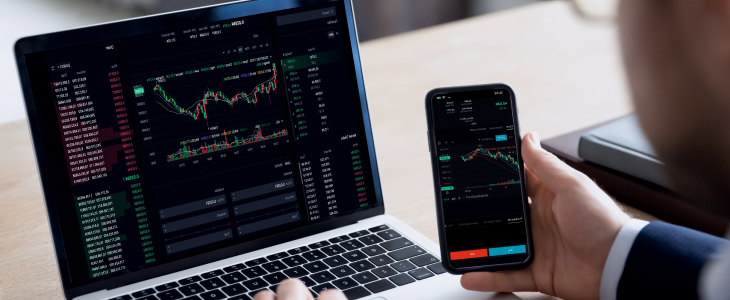
Open an Online Account for Forex Trading: A Comprehensive Guide
In today’s digital age, opening an online account for forex trading has never been easier. Whether you are a seasoned trader or a novice eager to dip your toes into the forex market, understanding the steps required to open your account is crucial for your trading success. This article will guide you through the process, highlight the key features to look for in a broker, and provide additional resources like open online account for forex trading Top Mobile Trading Apps to enhance your trading experience.
Understanding Forex Trading
Forex, short for foreign exchange, refers to the global marketplace for buying and selling national currencies against one another. The forex market operates 24 hours a day, five days a week and is the largest and most liquid financial market in the world, with trillions of dollars traded daily. Understanding the fundamentals of forex trading is the first step before opening an account.
Why Open an Online Forex Account?
Opening an online forex account allows you to trade currencies from anywhere in the world with just a few clicks. Here are some key benefits:
- Accessibility: Trade from the comfort of your home or on-the-go using mobile applications.
- Low Entry Barriers: Many brokers offer low minimum deposit requirements, making it easy for anyone to start trading.
- Leverage Options: Forex trading often allows traders to use leverage, amplifying both potential gains and risks.
- Variety of Trading Tools: Online platforms typically provide numerous tools and resources, including charts, news feeds, and analysis tools to help traders make informed decisions.
Steps to Open an Online Forex Account
Opening an online forex account can be completed in just a few simple steps:

Step 1: Research Brokers
Before you can open an account, you need to research and choose a reputable forex broker. Look for factors such as:
- Regulation: Ensure the broker is regulated by a reliable authority.
- Trading Platform: Check whether the broker offers a user-friendly platform that meets your trading needs.
- Fees and Spreads: Evaluate any fees or spreads that might impact your trading costs.
- Customer Service: Good customer support is crucial, especially for new traders.
Step 2: Fill in Application Form
Once you have selected a broker, visit their website and fill out the application form. You will typically need to provide:
- Personal information (name, address, date of birth, etc.)
- Contact details (email and phone number)
- Financial information (employment status, income, trading experience, etc.)
Step 3: Submit Verification Documents
To comply with regulations, brokers require you to verify your identity. This usually involves uploading the following documents:
- A government-issued ID (passport or driver’s license)
- A proof of residence (utility bill, bank statement, etc.)
Step 4: Fund Your Account
After your account is verified, you can fund it. Most brokers offer several payment methods, including bank transfers, credit/debit cards, and e-wallets. Choose the method that works best for you, and deposit the required minimum amount to commence trading.

Step 5: Start Trading
Once your account is funded, you can begin trading. Familiarize yourself with the trading platform, set your trading parameters, and start making your trades.
Things to Consider Before Trading
Before diving into trading, keep these considerations in mind:
- Market Knowledge: Understand the forex market and the economic factors that impact currency values.
- Risk Management: Employ risk management techniques like stop-loss orders to protect your investments.
- Continuous Learning: The forex market is always evolving. Invest time in learning new strategies and market trends.
Choosing the Right Trading Platform
The trading platform is your gateway to the forex market. When selecting one, consider the following features:
- User Interface: Look for a platform that is intuitive and easy to navigate.
- Tools and Research: Opt for platforms that provide extensive analytical tools, charts, and research resources.
- Order Types: A good platform should support various order types, including market orders, limit orders, and stop orders.
Conclusion
Opening an online account for forex trading is a straightforward process that can open the door to an exciting financial world. However, it is essential to choose a reputable broker, understand the risks involved, and continuously educate yourself about the market. By following the steps outlined in this guide, you can embark on your forex trading journey with confidence. Whether you are trading from your desktop or on-the-go, taking advantage of mobile trading apps can make a significant difference in your trading experience.
Remember, the key to success in forex trading lies in careful research, continuous education, and disciplined trading practices. Happy trading!